Start with hip or knee options, common questions, patient stories, and insurance information. A consultation can help put general information in the context of your own health.
Review preparation instructions, forms, and procedure-specific recovery information. Your individual written care instructions take priority over general education.
Advances in implant materials, surgical techniques, and implant design have helped make knee replacement a successful treatment for people with advanced arthritis and other forms of joint damage. This type of surgery gives most patients many years of reliable function; nevertheless, sometimes knee replacements do wear out.
Advances in implant materials, surgical techniques, and implant design have helped make knee replacement a successful treatment for people with advanced arthritis and other forms of joint damage. This type of surgery gives most patients many years of reliable function; nevertheless, sometimes knee replacements do wear out.
Underlying conditions like arthritis may be to blame for stiffness and knee pain while sitting, but this problem can affect ailment-free individuals too. In general, bending the knee for an extended period can restrict fluid movement and increase pressure within the joint by keeping the kneecap pressed against the thigh bone.
Millions of homes in the United States are equipped with stairs; some lead to basements, others head toward bedrooms, and many are at the entrance of the property. In fact, 47% of U.S. homes require navigating stairs to get inside. With that in mind, it is understandable if you are wondering if and when you can walk up stairs normally after hip replacement surgery.
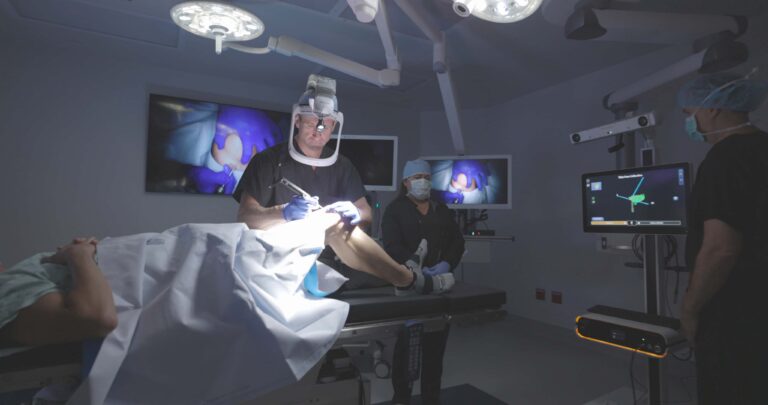
Minimally invasive knee replacement surgery uses an approach that limits disruption to the muscles and other soft tissues surrounding the knee while allowing the surgeon to perform the fundamental steps of joint replacement. The goal is to access the damaged joint, prepare the bone, and place the replacement components while preserving as much healthy surrounding tissue as appropriate.
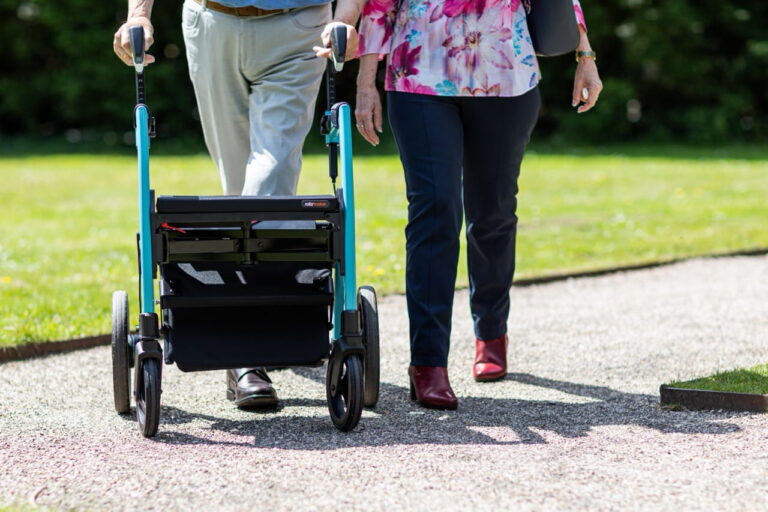
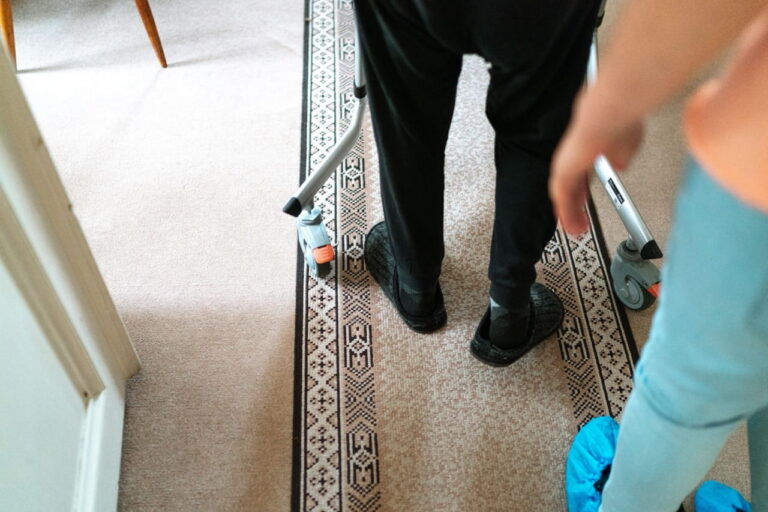
Immediately after anterior hip replacement surgery, the focus is usually on managing pain, monitoring the surgical site, and beginning to move safely. Many patients are encouraged to walk with assistance relatively soon after surgery; depending on the individual’s condition and surgical plan, walking may begin with a walker or another assistive device before they even leave the surgical center.
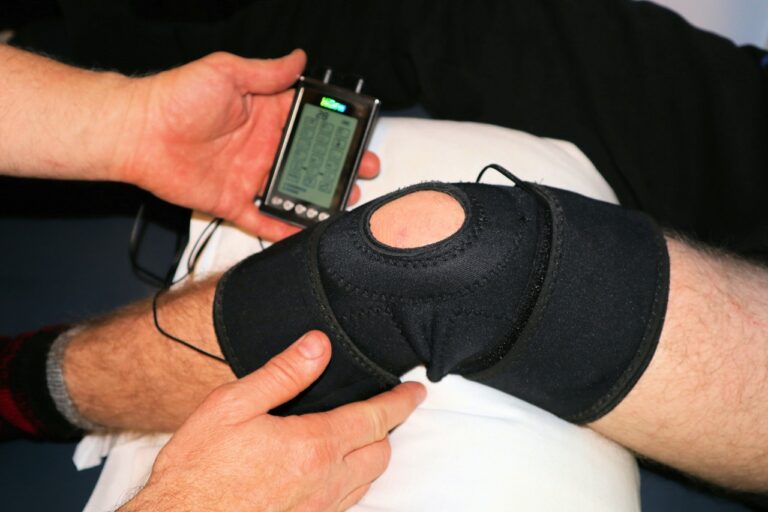
Pulsed Electromagnetic Field (PEMF) therapy is the use of carefully controlled electromagnetic pulses to stimulate cells and tissues throughout the body. PEMF therapy devices deliver low-frequency electromagnetic fields without breaking the skin, rendering them non-invasive.
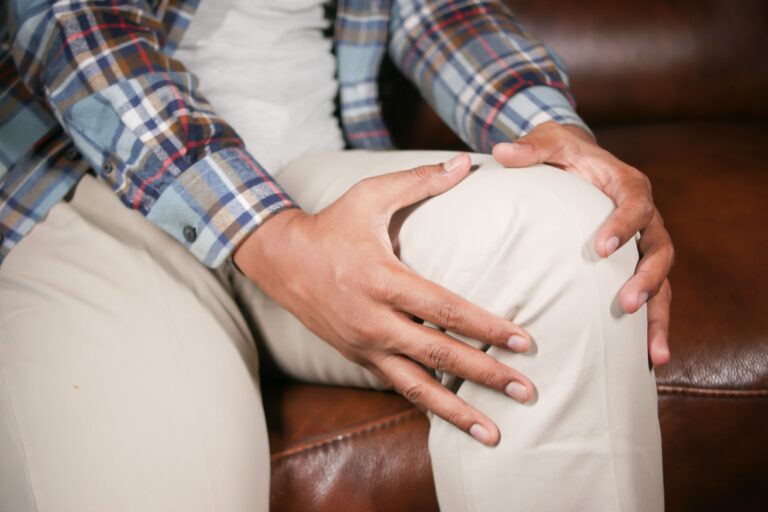
Typically, knee complications like pain and limited mobility start small and worsen over time. Since joint degeneration is usually gradual, it can be hard to realize how much your daily life has changed over the course of several months or years.
If you have a stiff joint or tight calf muscle after knee surgery, you are not alone. Many patients experience this, and they often describe it as though a band is wrapped around their knee or upper calf.
Walking can feel surprisingly different after a knee replacement. Even when the procedure has gone well, many patients notice that their steps do not feel completely even at first. An uneven gait after knee replacement surgery is particularly common during early recovery as the body adjusts to changes in the knee and rebuilds the strength and coordination needed for walking.
On average, people in the United States take about 4,774 steps a day, meaning walking is an integral part of most people’s lives. Understandably so, most patients are itching to get back on their feet and return to this basic form of transportation after a hip replacement surgery.
For many Canadians considering orthopedic surgery in the United States, one of the first questions is whether they need a referral before speaking with a surgeon. It’s an understandable question because Canada’s healthcare system is built around a referral-based model, so most patients are accustomed to visiting a family physician before seeing a specialist.
To many people’s surprise, clicking after knee replacement surgery is fairly common. Many patients describe a clicking, popping, tapping, or clunking inside the knee during certain activities, most notably walking, standing up from a chair, climbing stairs, or changing positions in bed.
For many Canadians considering medical tourism in Scottsdale or another part of the United States, one of the biggest concerns is what happens after they return home. While traveling abroad for treatment can provide access to specialized care and shorter wait times, some patients worry that returning home means leaving their surgical team behind—fortunately, that is often not the case.
Many patients look forward to returning to their favorite activities after surgery, and cycling is often high on that list; it can be a great activity for fitness, recreation, and transportation. Accordingly, people commonly wonder when cycling after hip replacement surgery is safe and whether they will ever feel comfortable on a bike again.
Hip pain when sitting is more common than many realize, affecting adults of all ages and lifestyles. Maybe you have noticed discomfort after spending hours at a desk, or maybe you have felt stiffness after a long car ride or an evening on the couch.
Many people report weakness after knee replacement surgery, noting that their legs feel unusually tired or unsteady despite potential improvements in pain management and other aspects of their recovery.
Modern hip replacement surgeries are highly successful and can provide decades of improved mobility and reduced pain, lasting 20 to 30 years or more for most individuals.
The satisfaction rate for total knee replacements is 89.7%, meaning many patients experience a significant decrease in pain and other joint-related complications after healing from their procedure.
Preparing for knee replacement surgery should begin well before the night before your procedure. You should proactively work to improve your physical condition, adapt your home environment, free up your schedule, and tailor your expectations for recovery so you focus your attention on healing once you return home.
According to the National Association of Homebuilders, over half of the houses built in the U.S. are two stories tall. Many of these homes feature bedrooms, bathrooms, and other important areas on the second floor that may not be accessible when a weight-bearing joint is recovering from an invasive procedure, leading many people to wonder, “When can I climb stairs after total knee replacement surgery?”
Many people love running as a stress reliever, and the thought of having to miss out after surgery can be disappointing to say the least. You may be able to run after knee replacement surgery, but only after a significant and careful recovery period.
While some people may be able to run after a hip replacement, many doctors will urge caution to avoid aggravating the area and delaying the healing process. Running is considered a high-impact exercise, meaning that with every step, you exert significant force through your legs, on the joints, and on the implant materials.
There are so many reasons Canadian patients choose U.S. surgeons for procedures like joint replacement surgery, from shorter wait times to access to the United States’ advanced surgical technology. Nevertheless, recovering from surgery abroad often presents challenges that go beyond the procedure itself and travel arrangements.
Even though most medical tourists would agree that the planning is worth it, there are many logistics to work out when traveling to the United States for surgery, even from a neighboring country like Canada. Accordingly, one of the most common questions Canadians ask before surgery in the U.S. is when they should return home.
Unfortunately, about 14.3% of individuals aged 60 years and older report having significant hip pain on most days. This chronic hip pain can affect nearly every aspect of life.
A total knee replacement can dramatically reduce pain caused by arthritis or joint damage, resulting in an average decrease of 5.35 on the visual analog scale, a psychometric tool that allows patients to rate their pain from 0 to 10.
Eighty-nine percent of individuals who were living with severe hip pain reported having only mild pain or no pain at all five years after getting total hip replacement surgery. In addition to reducing joint pain, this procedure can greatly improve mobility. However, to achieve the maximum benefits, patients should undergo physical therapy after hip replacement surgery.
More and more Canadians are traveling to the United States for elective surgeries, such as joint replacements, as many U.S. facilities offer shorter wait times and more advanced surgical technology than those in Canada.
Arthroplasty, the partial or total replacement of a joint with a prosthesis, is one of the best solutions for chronic knee or hip pain. Knowing you need one is only half the battle—patients have to decide where to have it done, when to schedule it, and how feasible the costs are.
Getting a 2nd knee replacement may be necessary if you have experienced degeneration or loosening from wear, complications such as infection or improper alignment, or changes in joint health.
There are so many reasons Canadians choose surgeons in the United States, from access to specialized care to shorter wait times. Even though getting a joint replacement in the U.S. is a smart idea, returning home can present unique challenges during recovery.
Many Canadians with orthopedic complications find it advantageous to travel internationally for surgery. Doing so can give them access to specialized care, shorter joint-replacement wait times, and more control over scheduling.
Hip replacements help about 544,000 Americans relieve pain and restore mobility every year. Even though this procedure has gotten more efficient and less invasive, incisions are still required to access the joint and replace damaged bone and cartilage with a prosthetic, meaning hip replacement scars are unavoidable.
After a patient undergoes an invasive medical procedure, their body naturally increases blood flow to the surgical site to supply the nutrients and immune cells needed for tissue repair.
Because hip replacement surgery removes the damaged or worn joint and replaces it with a prosthesis to improve function, patients are likely to experience biomechanical changes postoperatively. These changes are usually for the better, but the initial adjustment period can still raise concerns, especially when temporary surgical side effects like soreness and stiffness make things feel more unusual.
Recovering from a medical procedure like a joint surgery is a multi-stage process. Tracking your progress through each phase makes it easier to keep care teams informed, which is imperative for identifying warning signs and obtaining approval to return to certain physical activities.
Due to limitations of their public healthcare system, countless Canadians choose to receive joint surgery and other medical treatment in the United States.
Surgeons must create an incision during knee replacement surgeries to access the deteriorated joint and replace it with a state-of-the-art prosthesis. This means scars from knee replacement procedures are unavoidable, whether the patient undergoes traditional or minimally invasive surgery.
After knee replacement surgery, patients are expected to balance pain management, mobility work from physical therapy, and swelling control. To facilitate these aspects of recovery, patients should use supportive tools, such as compression garments, when approved by their medical provider.
Unfortunately, many athletes experience chronic injuries and long-term wear on their joints that can lead to degeneration far earlier than in the general population. On top of being uncomfortable, joint issues like knee pain can be career-ending for these professional athletes if left untreated.
Bruising after hip replacement surgery is a common yet often unexpected aspect of recovery. While many patients anticipate some soreness and swelling, the appearance of deep purple, blue, or yellow skin discoloration can be surprising and alarming to some, especially in the first few days after surgery.
With joint replacement wait times in Canada and other countries on the rise, many patients are traveling to the United States to get quicker, more advanced surgeries. Although this is a wise decision for most, traveling long distances requires extra logistical work, making it essential to have a trusted family member or companion along to facilitate the care experience.
There are so many reasons Canadians choose U.S. surgeons, from faster access to care to more specialized, advanced medical facilities. Nevertheless, traveling abroad for medical treatment demands an intentional approach that extends beyond planning for flights, appointments, and lodging; you must also focus on nutrition.
For many people, kneeling is a regular part of daily life; it can be imperative for gardening, playing with grandchildren, exercising, and various household tasks. The idea of losing that ability can often make people feel concerned and anxious.
Across Canada, thousands of patients are living with chronic hip or knee pain and waiting an exorbitant amount of time for orthopedic surgery. Unfortunately, mobility and quality of life can worsen during their wait, rendering conservative treatments ineffective.
For many Canadians facing long wait times for joint replacement, traveling to the United States for orthopedic surgery offers a faster, more personalized path to relief. Even though it is worth it, crossing the border for surgery requires more preparation than a typical local medical visit.
If you have sustained an injury or developed a degenerative joint condition, a hip replacement surgery can be one of the most effective ways to restore quality of life, due to its ability to relieve chronic pain and improve mobility.
Being prepared for your first orthopedic consultation is an essential step toward understanding and treating musculoskeletal pain, as this consultation helps lay the groundwork for an accurate diagnosis and meaningful improvement, making it easier to improve your quality of life.
Several decades ago, hip replacement surgery was almost exclusively associated with older adults, but that perception has changed dramatically thanks to significant advancements in orthopedic techniques, materials, and rehabilitation approaches.
The smoothness of recovery after joint replacement surgery depends on multiple factors, including surgical precision and the environment in which healing will take place. Climate plays a significant role, considering temperature, humidity, and air quality can all impact an individual’s pain levels, mobility, and overall healing speed.
The long wait times for surgery in Canada often prompt patients to travel to countries with private healthcare, such as the United States. Even though the patient’s primary focus should be quick, high-quality medical care, these trips do not have to be purely clinical.
Knee replacement surgery can be a favorable, life-changing decision for people struggling with chronic pain and stiffness that limits their mobility. However, deciding when to undergo this procedure takes a lot of forethought to ensure optimal results and minimize the chances of needing a revision down the line.
Joints support nearly every bodily movement, from standing and walking to climbing stairs and playing sports. Therefore, keeping your joints healthy is crucial for leading an active, pain-free lifestyle.
Managing discomfort while waiting for a medical procedure, especially joint replacement surgery, is essential. By taking the right pain meds before surgery, you can safely increase your comfort levels and ensure you are prepared for the procedure ahead.
For many Canadians, the path to surgical care can be unnecessarily long and filled with uncertainty, especially for knee and hip procedures, as joint replacement wait times in Canada can stretch well beyond the advised 182-day waiting period. Unfortunately, as patients are forced to wait for their medical care, their quality of life may suffer due to an increase in pain and a decrease in mobility.
Canadians traveling to the United States for medical procedures can experience a wide range of benefits, such as skipping the line and accessing surgery sooner. Nevertheless, the process requires diligent planning. Canadian patients should be ready to play an active role in their recovery process through careful medication management.
When people think about the process of recovering from a surgery, they usually focus on physical aspects, but supporting the mind is just as essential as treating the body. In addition to prioritizing physical therapy, wound care, and responsible medication usage, patients should take care of their mental health after surgery to increase their chances of quickly and fully recovering.
Thanks to decades of medical innovations, hip replacement surgery has become one of the most common and successful orthopedic procedures. This surgery is designed to relieve pain, restore mobility, and improve the overall quality of life for anyone suffering from hip joint damage caused by injuries or degenerative conditions like osteoarthritis.
Sleeping after a knee replacement surgery is when the human body makes the most significant progress toward recovery. While the patient is resting at night, their body undergoes an intensive healing process involving tissue repair, hormone regulation, and inflammation reduction, which helps rebuild strength and mobility.
For many Canadians, the decision to undergo joint replacement surgery comes with a frustrating obstacle: wait times that can stretch months or even years. The Canadian Institute for Health Information reported that nearly 40% of patients awaiting knee replacement in 2024 did not receive one within the recommended 182-day benchmark.
Typically, patients with an upcoming joint replacement spend most of their time thinking about the surgery component, mistakenly believing it is the only part that matters.
The choice to go into surgery is often life-changing. Since many procedures can affect mobility, independence, and a patient’s overall health for years to come, getting a second opinion before surgery can help you ensure you are making the best decision.
Joint conditions are some of the most common sources of chronic pain and limited mobility. In fact, about 58.5 million US adults have arthritis, and 25.7 million of those individuals claim that arthritis limits their ability to perform certain activities.
The first recorded attempt at hip replacement surgery was in 1891; however, this type of surgery was not deemed entirely effective until 1962. Moreover, even the successful total hip arthroplasties from the mid-1900s yielded relatively low implant survival rates after 10 years.
For many patients, the first 24 to 72 hours after a surgery can be the most challenging part of the healing process. Pain may be the most prominent during this time, since the body is working hard to repair tissues, control inflammation, and restore function.
Canada’s publicly funded healthcare system attempts to make medically necessary surgeries affordable or sometimes free at the point of care. However, the trade-off is often long delays, especially when accessing procedures like hip replacements or knee replacements.
Many Canadians travel abroad for joint replacement surgery, often heading to places like the United States. In turn, these patients can circumvent Canada’s joint replacement wait times and get quicker access to highly specialized orthopedic care.
Minimally invasive hip replacement is a surgical technique that replaces the damaged hip joint with as few incisions as possible. By creating only one or two 3 to 6-inch incisions, surgeons are able to minimize disruption to surrounding muscles and soft tissue.
Approximately 760,000 hip replacements are performed on Americans each year. The procedure is incredibly popular due to its high success rate of relieving pain and restoring mobility in people with severe joint issues caused by arthritis, injury, or degeneration.
Any patient traveling from Canada or another country to receive joint replacement surgery in the United States must consider various logistics. U.S.-based medical providers can help prepare the body and mind for surgery and provide suggestions for packing.
With the right surgeon on your side, a joint replacement surgery can drastically enhance your quality of life by improving your mobility and alleviating pain. However, to receive the most optimal results possible, evaluating the specialist performing the procedure is essential.
Joints, such as knees and hips, play vital roles in someone’s ability to move freely and comfortably bear weight. Although they are essential for maintaining independence in everyday life, joints are also highly susceptible to injuries from wear and tear, repetitive stress, poor posture, and the natural aging process.
When patients try to imagine what’s involved in the preparation process for knee replacement surgery, the first tasks that come to mind are usually completing forms and scheduling a surgery date.
Recovering after joint replacement surgeries requires more than just physical therapy and rest. Post-surgery nutrition is an often overlooked yet incredibly important component of the recovery process.
The prevalence of knee pain has increased by nearly 65% over the past two decades, resulting in a rise in demand for knee surgery across the Great White North. However, Canada’s public healthcare system has been struggling to keep up with the heightened demands, forcing many Canadians to wait anywhere from 6 months to a year or more for their surgery.
Traveling to another region or country for medical care is known as medical tourism. This trend has been skyrocketing in popularity; in fact, the total medical tourism market size is projected to grow by 144% from 2024 to 2030.
Over time, the repetitive impact of running can take a toll on the joints, making knee injuries a common setback faced by runners of all levels. Whether you’re a recreational runner or a seasoned marathoner, you may be vulnerable to knee injuries from various sources, including overuse, poor running mechanics, or weak supporting muscles.
For many people, there is a direct correlation between pregnancy and knee pain, as joint discomfort can be caused by the hormonal and posture changes, weight gain, or fluid retention that are all a natural part of pregnancy. Even so, you shouldn’t have to live with knee pain during pregnancy—those nine months are hard enough as is.
Many expectant mothers experience hip pain during pregnancy, especially in the second and third trimesters, due to the natural adjustments the human body makes to accommodate a growing baby. More specifically, most pregnancy hip pain stems from hormonal shifts, weight gain, or changes in posture.
Some people admire Canada for its publicly funded approach to healthcare; however, when it comes to elective surgeries, such as hip and knee surgery, patients often encounter frustrating delays that jeopardize their well-being.
As wait times for orthopedic surgeries in Canada continue to rise, an increasing number of Canadians are turning to medical tourism to access the timely and specialized care they need.
Chronic hip pain can negatively impact someone’s quality of life by restricting mobility, hindering sleep, and reducing independence to the point of making everyday activities difficult.
Joint pain shouldn’t mean putting life on hold. However, that’s the reality for many Canadians. Due to the current landscape of Canada’s public healthcare system, surgical waitlists for joint replacement surgeries can stretch from several months to years.
You’re not alone if you’ve been experiencing persistent knee stiffness or discomfort. In fact, having a knee overuse injury is a common issue among active adults, including athletes and people with physically demanding jobs.
In most cases, experiencing swelling after hip replacement is a normal part of the healing journey. Post-hip replacement swelling is usually due to a combination of the body’s natural inflammatory response while healing from surgical trauma caused to the tissues and gravity-induced fluid accumulation.
Canada’s average wait time for joint replacement has grown significantly over the last handful of years, raising concern for many Canadians suffering from debilitating knee or hip pain.
Hip flexor strains involve overstretching or tearing the muscles that enable you to lift your knee and bend at the waist, usually due to sudden movements or overuse.
If you’re wondering how soon you can drive after a knee replacement, the answer depends on several factors, ranging from your strength and mobility to the type of vehicle you will be operating.
It is only natural that many recovering patients are interested in getting back to the activities they love, including tennis, after hip replacement surgery.
American football is inherently a high-impact sport that requires explosive movements, rapid changes in direction, and jarring physical contact, all of which can stress your joints significantly.
Golf is typically considered a low-impact sport, but some people still experience hip pain from golfing. The sport requires repeated twisting and weight shifting, which can significantly strain the hips.
Hip bursitis exercises and stretches are essential for managing the pain and stiffness caused by inflamed bursae, tiny fluid-filled sacs within joints like the hip.
When the knee joint is forced to extend beyond its standard range of motion, it can cause knee hyperextension. Depending on its cause, such as sports, accidents, or muscle imbalances, the severity of a knee hyperextension injury can range from mild discomfort to significant ligament or joint damage.
If you are considering bilateral knee replacement surgery, in which artificial joint components are added to both knees, it can be challenging to know how long you should wait between knee replacements.
Due to the complexities and fragility of the hip joint, hip pain from cycling is incredibly common, especially among individuals with degenerative conditions like arthritis. In fact, 34-72% of amateur cyclists report unspecified pain near the groin, hip, and buttocks region after participating in week-long recreational road cycling events.
Finding the most suitable sleeping positions after total knee replacement surgery can lead to a smoother recovery. Sleep plays a vital role in healing the body by releasing essential growth hormones and pain-relieving endorphins.
Despite being a healthy and popular physical activity, bike riding demands repeated knee-bending motions, causing many patients to wonder, “Can you cycle after a knee replacement?” In short, yes, many patients can return to cycling after knee replacement surgery; in fact, they may receive joint health benefits from doing so.
Cycling is a popular low-impact exercise for people of all ages. However, some individuals experience knee pain from cycling, making it difficult to enjoy an activity they love.
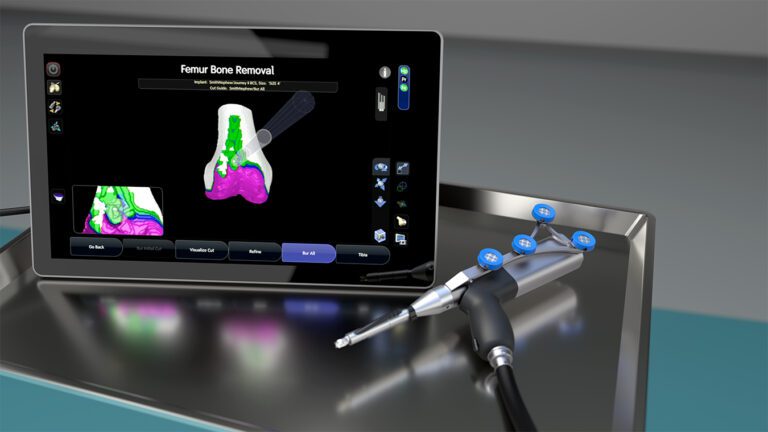
Knee replacement surgery replaces a patient’s knee with a prosthetic to restore joint function and alleviate pain through traditional methods or minimally invasive approaches that use Mako SmartRobotics.
Unfortunately, many patients struggle to find comfortable sleeping positions after hip replacement surgery or hip revision surgery due to temporary mobility limitations, discomfort, or concerns about damaging their new hip joint.
Knowing how soon you can fly after hip replacement is vital to ensure you do not hinder your recovery process. After surgery, patients must incrementally return to normal activities to avoid exacerbating symptoms.
Before learning how to reduce swelling after knee replacement surgery, you must understand swelling is the accumulation of fluid, and it is usually caused by tissue trauma associated with injuries or surgical procedures.
During a study from the University of Michigan’s Institute for Healthcare Policy and Innovation, 70% of older adults claimed they were currently experiencing joint pain.
Patients with severe joint damage from trauma or degenerative diseases like arthritis may benefit from knee replacement surgery, a common procedure intended to relieve pain and restore mobility.
Knee replacement surgery has become increasingly common over the last few decades, particularly among older adults with degenerative joint conditions like arthritis.
Warming up before playing a sport, especially a high-impact one like basketball, is essential for any athlete. Doing so can physically prepare your body for the demands of the game and lower your risk of developing joint-related injuries.
Some people require hip replacement surgery to relieve pain and restore function to one of their most important joints. This procedure involves replacing a broken or arthritic hip joint with an artificial implant.
Knee replacement surgery is common, especially for older individuals suffering from joint injuries or arthritis—roughly 790,000 total knee replacements are performed annually in the United States.
Sports, especially high-impact ones like football and basketball, can often lead to knee injuries, such as jumper’s knee and runner’s knee, each with a unique cause and treatment strategy.
Damaged or worn-down knee joints can be replaced with artificial components to reduce discomfort and increase mobility. This surgery has the potential to mitigate joint complications and allow the patient to eventually resume some of the activities they love.
If you are an avid golfer with hip pain, you may wonder if you can golf after a hip replacement and, if so, how long after the hip replacement until you can play again.
Joint health evaluates the comfort and functionality of regions where two or more bones connect, taking the surrounding tissue and joint surfaces into account.
A healthy and active lifestyle depends on joint mobility, yet conditions like arthritis, tendinitis, and joint effusions can severely limit movement and disrupt daily activities.
Fall-incited knee injuries can happen to anyone through various activities, including playing a sport, ascending stairs, or many other everyday events.
Joint pain is an uncomfortable, achy, stiff, or inflamed feeling in the area where two or more bones converge. It is most common in older individuals but can result from various ailments, including arthritis, tendonitis, ligament injuries, and autoimmune diseases.
Nothing lasts forever, not even artificial hip joints installed during total hip replacement surgery. If those plastic, ceramic, or metal prostheses are installed correctly, they usually last for 15 to 20 years or, in some cases, the rest of the patient’s life.
Knee arthritis is a medical condition that arises when the cartilage in someone’s knee joint has deteriorated, causing the joint’s bone surfaces and fragmented cartilage to rub together.
Hip arthritis occurs when the cartilage in the hip joint breaks down. Age-related wear and tear is the leading cause of hip arthritis, but joint injuries and genetic factors can also contribute to its development.
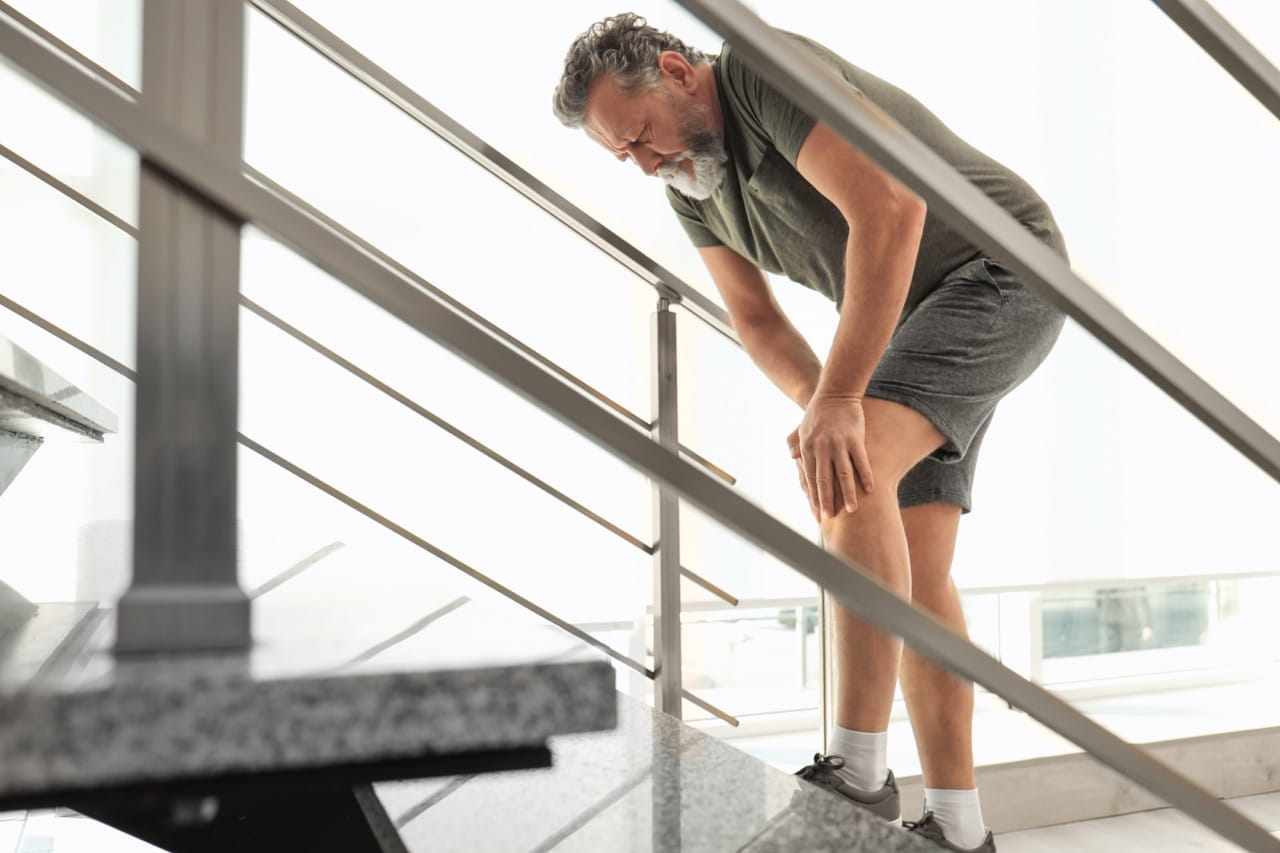
Climbing stairs is a routine part of everyday life, but knee pain can make this common task challenging. If you experience knee pain walking up or down stairs, it may be a sign of a severe underlying issue, ranging from arthritis to a ligament injury.
Hip arthritis is a medical condition that results from deterioration or damage to a person’s hip joint. As a result, the bone surfaces in the joint grind against each other and become rough.
As many know, running or jogging offers plenty of health benefits, such as strengthening your cardiovascular system. However, running also poses risks to your health, increasing your chances for excruciating conditions like chronic hip pain.
Many basketball players are unfortunately no strangers to knee pain. Knee pain can interfere with your ability to maintain your physical activity as well as your daily activities.
ARPWAVE therapy, also known as Accelerated Recovery Performance (ARP) Wave therapy, is a form of neuromuscular therapy that can help speed up and promote the body’s natural recovery process.
Knee replacement surgery is a last resort option for people experiencing joint pain. However, if other therapies or approaches do not work to provide solutions, then knee replacement surgery may be the best option for long-term relief.
Hip replacement surgery is a surgical procedure where an orthopedic surgeon removes the diseased parts of a hip joint and replaces them with new, artificial parts.
Hip replacement surgery is a procedure that replaces diseased parts of the hip joint with new, artificial parts to address the underlying causes of pain and improve mobility.
Hip replacement surgery is no small commitment. Although the process results in greater comfort and mobility in the long term, it can be a bit intimidating, especially if you’re unsure what to expect.
We’ve all heard the phrase, “Timing is everything,” but does it apply to hip replacement surgery too? Choosing the right time of year for your procedure can boost your mindset and morale, make your recovery process more convenient, and possibly even improve your surgery outcomes.
A successful surgical procedure is more than just the surgery itself. Postoperative care plays an important role in maximizing the procedure’s success and helping patients return to their lifestyle.
Anyone experiencing joint pain knows how frustrating it is, between the discomfort and its impact on your quality of life. Joint issues can cause chronic pain, reduce mobility, limit athletic performance, and make daily activities difficult.
Joint replacement surgery can bring incredible relief to candidates with joint pain or discomfort. Still, the postoperative discomfort can be discouraging for some.
Post-surgery recovery requires considerable care and caution, but it doesn’t mean having to sit still. In fact, staying active can significantly support the healing process and help you recover faster as long as you take the right precautions.
Joint replacement surgery can sound intimidating at first, but with an experienced medical provider and the proper level of care and support, it can bring multiple benefits and long-term relief.
Although joint replacement surgery offers long-term relief, patients still experience a considerable period of expected pain after the surgery is complete and the body heals.
Joint replacement surgery provides a sense of relief by restoring function to your joints and reducing pain, but your provider must have a holistic approach to ensure the best outcome and minimize any risk for complications during the process.
When you think of surgery, you often think of a long hospital stay and being stuck in a facility, but this isn’t always the case. Thanks to advanced methods of joint replacement surgery, you can recover from your procedure without a hospital stay.
Sleep is an important part of your body’s recovery process, making it a valuable tool post-surgery. During your sleep, your body works to build new tissue and repair the operating area.
We hear people sing the praises of good posture, but we don’t always recognize just how important it is. Good posture can have long-term effects on your overall physical health, from your spine to your muscles.
You know that exercise can offer many benefits, but it doesn’t just stop at helping you run farther. In addition to supporting stronger muscles and better cardiovascular health, sports and exercise are also excellent tools for promoting healthy joints.
If you’re experiencing joint pain in your knees, shoulders, hips or other areas, you’re not alone. Joint pain is common as we age. In fact, it affects roughly one-third of U.S. adults.
Joint replacement surgery is a procedure in which damaged or arthritic joints are replaced with a device that helps restore normal joint function, making everyday tasks easier for someone who is experiencing joint pain.
Following partial or total knee replacement surgery, many patients are anxious to get back on their feet. The safest and quickest way to return to normal activities and aid in a full recovery is by completing regular knee replacement exercises.
Joint replacement surgery is a procedure where a damaged joint, including cartilage and bone, is removed and replaced with one of the following: a metal device, a plastic device and a ceramic device.
1 in 4 adults suffers from chronic knee pain. Are you one of them? Or have you experienced sudden knee pain without injury and you’re not sure what’s causing it?
Medical tourism. It is a rising trend throughout the world because of how connected our world is becoming. In 2021, the global medical tourism market was worth $4 billion. However, there is expected to be a 32% annual growth for the next decade.
Robotics-assisted surgeries are a growing segment of general surgeries. The use of robots to perform knee replacement surgery and other procedures increases by 3% per year.
Did you know that many of the world’s peak performers and athletes get neurotherapy treatment in order to sleep better, improve their energy efficiency, and overcome crippling anxiety?
Over 52 million American adults have arthritis. There are many potential courses of treatment. One of them includes eliminating foods that cause joint pain.
You’ve been walking around with muscle pain in your leg for the last week. Or is it soreness? You feel like you’re in pain when you get out of bed or try to get into your car to go to work.
Hip replacement surgeries can relieve pain, improve function, and prevent further tissue and bone damage. Before you resign yourself to the surgical table, it helps to know what hip replacement options you have.
About 790,000 Americans have total knee replacements (TKR) each year. Do you struggle with knee pain or instability that impacts your daily activities? Has your doctor recommended that you get a TKR?
When we were younger, bone health was probably the last thing on our minds! But as we get older, it’s important for all of us to take steps to keep our bones as strong and healthy as possible.
If you’ve ever known someone who has arthritis, then you know how painful it can be. When the joints become inflamed, they swell and become stiff, causing pain and general discomfort.
If your knee pain started suddenly, or soon after a particular movement you made, then you may already have a good idea of how it happened — even if you don’t know exactly what the problem is.
Inflammation is the body’s natural and necessary response to cell damage caused by trauma or injury, chemicals and other toxins, pathogens such as bacteria and viruses, and other irritants. It’s the way the body starts to heal itself.
It’s not unusual for people who are in their fifties or older to experience hip pain. The decades can take a toll on a person’s bones, muscles and joints, leading — in some cases — to osteoarthritis.
If you’re experiencing knee pain from squatting motions, sitting, or knee flexion, there is a possibility that your knee’s ligaments, tendons, or cartilage have been damaged or degraded.
Orthopedic surgeons are medical doctors who specialize in problems with the musculoskeletal system. The human body has over 300 bones and joints and when one of those is not functioning properly it can cause daily pain and disability.
Knee pain and problems are universal issues and can affect any age group. If you or someone you know are experiencing knee pain, swelling, inflammation or soreness, here are a few ways to combat the symptoms.
A total knee replacement, also known as total knee arthroplasty, is a knee surgery performed by an orthopedic surgeon to alleviate pain caused by arthritis and other knee damaging conditions.
Contact the practice for help with the appropriate resource or secure portal. Clinical questions and urgent concerns should follow the contact instructions supplied by your care team.
Start with a conversation about your hip or knee.
An evaluation. A second opinion. Help exploring your options. Let’s understand the next step for you.