

Key Takeaways
- What it is – Pulsed Electromagnetic Field (PEMF) therapy is the use of controlled electromagnetic pulses to support cellular activity; it is often used to complement recovery from joint pain, orthopedic injuries, and surgery.
- Potential benefits – Research shows that PEMF therapy may help reduce pain, support tissue healing, and improve comfort for some patients, though results vary by condition and individual.
- Disclaimer – PEMF is intended to complement evidence-based orthopedic care, not replace treatments such as physical therapy, rehabilitation, or surgery when needed.
Understanding the Science Behind the Treatment
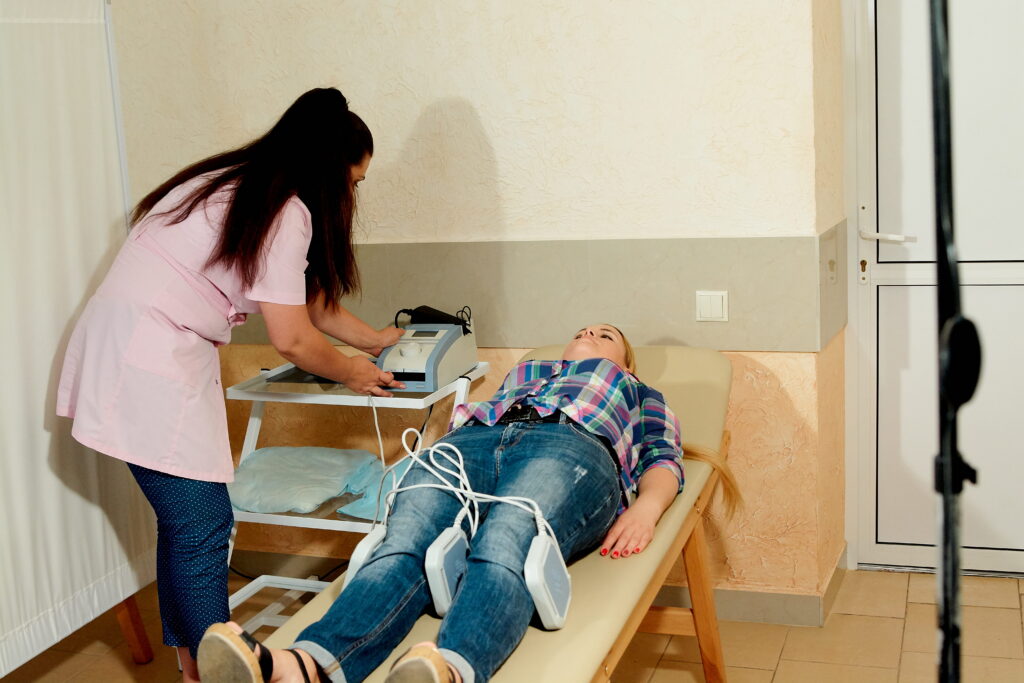
Pulsed Electromagnetic Field (PEMF) therapy is the use of carefully controlled electromagnetic pulses to stimulate cells and tissues throughout the body. PEMF therapy devices deliver low-frequency electromagnetic fields without breaking the skin, rendering them non-invasive.
PEMF treatment has been used to support musculoskeletal health for decades, particularly in patients recovering from injuries, managing chronic joint pain, or healing after orthopedic procedures. Despite receiving its first approval from the Food and Drug Administration (FDA) all the way back in 1979, researchers continue to explore how PEMF therapy can complement traditional treatment plans.
While studies show they have the potential to support the body’s natural healing processes, PEMF therapy devices are not a replacement for evidence-based medical treatments like physical therapy or joint replacement surgery—they are best used alongside these approaches to help create an environment that supports recovery and rehabilitation.
The guide below can help you better understand potential PEMF benefits and limitations so you can make informed decisions about your health.
Introduction to Electrical Signals
First thing’s first, you should know that every cell in the body naturally relies on tiny electrical signals to do things like:
- Communicate with neighboring cells
- Produce the energy needed for cellular function
- Maintain normal muscle and nerve function
- Support tissue repair/regeneration
- Regulate inflammation and other healing responses
However, when tissue is injured or inflamed, these processes can become less efficient—that is where PEMF therapy comes in.
How PEMF Works Inside the Body
PEMF therapy devices are positioned over or around a targeted area before sending low-frequency electromagnetic pulses through the body’s tissues. This is believed to create an environment that’s more favorable for recovery by facilitating the cellular functions involved in normal healing and repair.
Although scientists continue to study PEMF’s effects, it is believed to help with the following biological mechanisms.
Cellular Energy Production
One of the most widely studied areas is PEMF’s role in adenosine triphosphate (ATP) production, which is the cellular process of converting nutrients from food into the body’s primary chemical energy currency. During healing, ATP provides the energy cells need to do things like:
- Build new tissue
- Produce proteins
- Repair damaged cells
Recent studies suggest that PEMF may help cells produce more ATP by selectively stimulating cellular respiration. Although this doesn’t mean PEMF directly heals damaged tissue, improved cellular energy production may support the body’s natural recovery processes.
Circulation and Inflammatory Responses
Healthy circulation is key to delivering oxygen and nutrients to injured tissues while removing waste products that accumulate during healing.
A recent review of PEMF stimulation as an adjunct to exercise suggests that PEMF treatment can increase oxygenation in multiple ways, including:
- Impacting vessel diameter – PEMF therapy appears to increase the production and activity of nitric oxide, which can make blood vessels wider by relaxing them.
- Supporting blood vessel formation – PEMF treatment has the potential to expand vascular networks by encouraging new blood vessels to sprout from pre-existing ones.
- Boosting hemoglobin deoxygenation – PEMF therapy is thought to increase the rate at which blood releases its bound oxygen molecules into active tissues.
Improving local blood flow is already a great way to lower inflammation, but PEMF may support inflammation reduction even further by decreasing the production of pro-inflammatory secretions and stabilizing or increasing the body’s natural anti-inflammatory response.
Cellular Communication
Cells constantly communicate with one another through chemical and electrical signals that help coordinate tissue repair. Recent studies suggest that PEMF may be able to help with cellular signaling, as electromagnetic fields have been shown to enhance the expression of bone-related genes and cellular activity by regulating ion channels and activating cellular signaling pathways.
PEMF Research is Still Ongoing
It is worth noting that PEMF research regarding all of the biological processes mentioned above is still ongoing. Studies continue to examine its potential to reduce discomfort, support tissue healing, and promote bone repair, along with the technology’s role in improving surgical outcomes and injury recoveries.
While many findings are encouraging, results are not uniform across every condition or patient population. Some factors that seem to influence research outcomes include:
- Treatment frequency
- PEMF intensity
- Timing of PEMF therapy device usage
- The condition being treated
As a result, PEMF is generally viewed as a complementary therapy rather than a standalone solution. When incorporated into a comprehensive treatment plan, it may help support the body’s natural healing environment alongside things like traditional rehabilitation and low-impact exercise.
Where PEMF Fits Into Joint Pain and Recovery
Recovery from joint pain or orthopedic surgery rarely depends on a single treatment. Whether a patient is recovering from a knee replacement, managing osteoarthritis (OA), or healing after an injury, successful outcomes typically involve a combination of therapies that reduce pain, restore mobility, improve strength, and support tissue healing—PEMF therapy is often used as one piece of that larger recovery strategy.
Common Orthopedic Uses of PEMF Therapy
The FDA has approved PEMF therapy for a wide range of orthopedic uses, as seen in the table below.
| FDA-Approved Use Case | Year Approved | What It Means |
| Helping heal non-union bone fractures and stimulate bone growth | 1979 | Approved to support bone healing in fractures that have failed to heal naturally |
| Adjunctive use for postoperative pain and edema | 1987 | Approved as a supplemental treatment to help manage pain and swelling after surgery |
| Muscle stimulation and treatment of urinary incontinence | 1998 | Expanded FDA-approved applications beyond bone healing to include certain neuromuscular conditions |
| Enhancing cervical and lumbar spine fusion outcomes in high-risk patients | 2004 | Approved to support bone fusion following certain spinal surgeries in select patients |
Promising Revelations
As FDA approvals have expanded past bone healing and postoperative recovery applications, researchers have explored PEMF therapy for things like tendon/ligament healing and chronic joint/musculoskeletal pain.
One of the most recent trials revolved around mild-to-moderate knee OA and suggested that PEMF therapy devices may address extensor weakness, potentially helping high‐risk populations straighten their leg and keep their knee stable. With this in mind, participating in PEMF treatment may minimize dangers for people delaying knee replacement surgery.
PEMF Therapy Benefits: What Research Suggests
Although results are bound to vary based on the condition being treated, the treatment protocol, and the individual patient, current research suggests PEMF therapy may offer benefits like:
- Pain reduction – A 2026 review of the efficacy of low- and high-intensity PEMF for orthopedic pain suggests PEMF treatment may reduce discomfort from things like OA, low back pain, and postoperative pain.
- Support for tissue healing – A recent review of the impact of PEMF on intervertebral disc degeneration deduced that PEMF therapy may help regulate inflammatory pathways, which could reduce discomfort, swelling, and stiffness during recovery.
- Improved function during rehabilitation – A review of PEMF on pain, stiffness, and physical function in OA showed that PEMF treatment may improve physical function and mobility, potentially making it easier to participate in physical therapy and exercises after surgery.
Nevertheless, it is important to keep expectations realistic. PEMF therapy is not a cure for conditions like arthritis or a replacement for surgery when significant joint damage is present—it should be viewed as a potentially helpful adjunct to a personalized orthopedic treatment plan.
At-Home PEMF Devices vs Professional Treatment
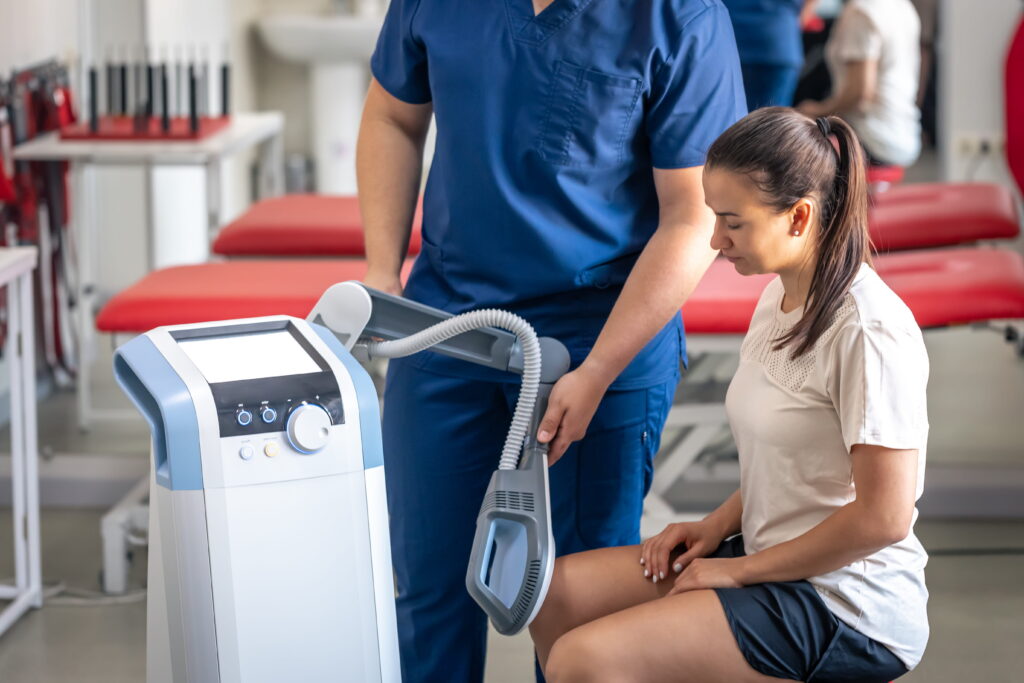
As interest in PEMF therapy continues to grow, patients have more options than ever before, from at-home PEMF therapy devices like mats to professionally administered treatments. While these approaches share the same underlying technology, they differ in terms of customization, oversight, and how they’re incorporated into patient care.
Rather than getting swept away by at-home PEMF mat benefits you hear in advertisements, you should use the table below to help you decide what type of PEMF treatment is best for you.
| At-Home PEMF Therapy Devices | Professional PEMF Treatment | |
| Primary purpose | General wellness, recovery, and musculoskeletal support | Personalized treatment as part of a comprehensive orthopedic care plan |
| Common equipment | Over-the-counter PEMF mats, portable pads, and wearable wraps | Clinical-grade PEMF systems administered by healthcare professionals |
| Personalization potential | Typically pre-programmed with limited customization for a one-size-fits-most approach | Can often be adjusted based on the patient’s diagnosis, symptoms, and recovery goals |
| Provider oversight | Self-administered | Set up and executed by a trained medical provider |
One of the most common consumer options is the PEMF mat. Manufacturers often promote various PEMF mat benefits, such as supporting circulation, reducing muscle soreness, promoting relaxation, and aiding post-exercise recovery. However, because at-home devices vary significantly in quality, field strength, pulse frequency, and treatment protocols, their effectiveness can differ considerably from the higher-grade, more regulated PEMF therapy devices that medical professionals use.
Is PEMF Therapy Safe?
Yes, PEMF therapy is generally considered a safe treatment when used appropriately, as regulatory agencies like the FDA have approved many applications.
Moreover, PEMF therapy is non-invasive. Unlike injection therapy or surgery, PEMF does not involve needles, incisions, medication, or downtime, making it an appealing option for patients looking to complement their recovery plan.
Countless patient stories show that patients tolerate treatment well. However, that does not mean it is appropriate for everyone, so patients should speak with their healthcare provider before beginning PEMF therapy.
Who Shouldn’t Try PEMF Treatment?
Some reasons why a healthcare provider may restrict their patient from using PEMF therapy devices are:
- If they have implanted electronic devices (e.g., pacemakers, defibrillators, or neurostimulators)
- If the individual is pregnant or may be pregnant
- If they have active bleeding disorders or other medical conditions that may affect treatment suitability
A medical evaluation can help determine whether PEMF is appropriate and how it may fit into an individualized orthopedic care plan.
The Role of Alternative Therapies in Orthopedic Care
As mentioned earlier, successful orthopedic treatment is rarely built around a single therapy. Recovery often requires a combination of approaches that address pain, restore mobility, rebuild strength, and support healing over time—supportive therapies like PEMF and ARPWave may play a valuable role within that larger strategy.
If you’re exploring PEMF therapy for joint pain, post-operative recovery, or another musculoskeletal condition, the team at the Joint Replacement Center of Scottsdale can help determine whether it is an appropriate addition to your treatment plan.
Contact us today to learn more about PEMF treatment and other advanced recovery options that may help you move more comfortably and confidently.