

Executive Summary
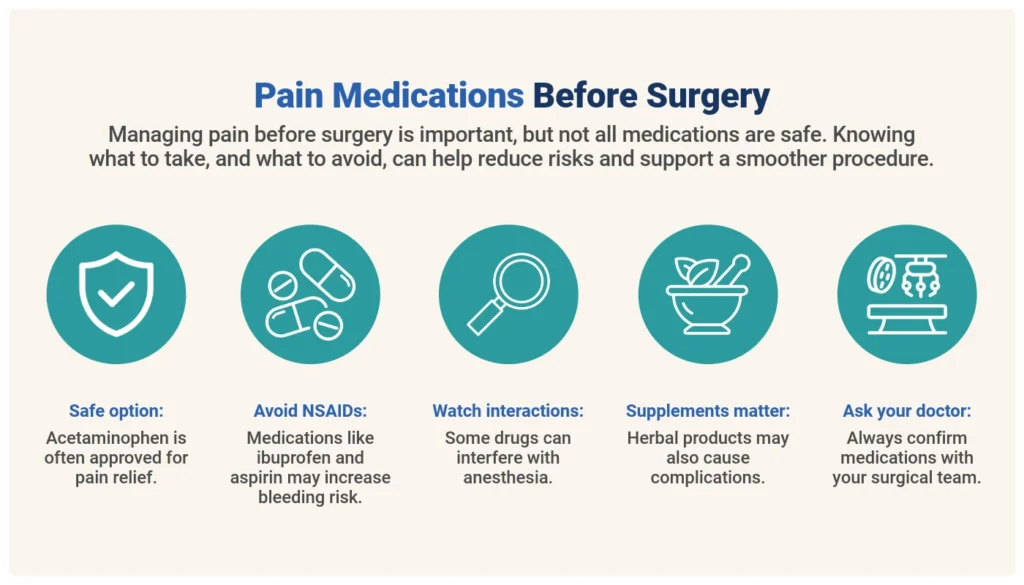
- With approval from your medical provider, taking pain medication like acetaminophen can be a great way to minimize discomfort before a surgical procedure.
- Doctors may restrict certain pain meds before surgery, including NSAIDs, as some prescription and over-the-counter medications can interfere with anesthesia, increase bleeding risk, or delay healing.
- Which pain medications you can take before surgery depends on several factors, such as the type of procedure, your medical history, other medications or supplements you take, and age or lifestyle habits.
- Keep an open line of communication with your surgical team to safely control pain before surgery, avoid anesthesia-related complications, and achieve the best surgical outcomes possible.
Understanding Pre-Surgery Pain Medication Usage
Managing discomfort while waiting for a medical procedure, especially joint replacement surgery, is essential. By taking the right pain meds before surgery, you can safely increase your comfort levels and ensure you are prepared for the procedure ahead. However, taking the wrong medication can reduce the effectiveness of anesthesia, increase the risk of bleeding, and affect how well your body heals after the operation is complete.
So, what pain medication can you take before surgery? The answer depends on various factors, including what procedure you are scheduled to receive, your health history, and age. With so many factors at play, it is important to consult your medical provider before adding anything to your pain management plan, including over-the-counter medications or natural supplements.
In most cases, surgeons, anesthesiologists, and pharmacists collaborate to review each patient’s medication list early on, so they can identify which drugs should be added, continued, or avoided. Nevertheless, patients should play an active role by reading the guide below and learning about the potential risks associated with taking certain pain meds before surgery.
How Pain Medications Interact with Surgery
To many people’s surprise, even common over-the-counter pain medications have the potential to significantly affect someone’s surgical experience. Some of the most common ways pain meds before surgery complicate the process are:
- Anesthesia interference – Certain drugs alter how the body metabolizes anesthesia, making it harder for anesthesiologists to achieve the ideal balance that provides proper numbness of sensation.
- Bleeding risk – Some medications like ibuprofen or aspirin can inhibit platelets or thin the blood, which can lead to excessive bleeding during or after surgery.
- Wound healing – Long-term use of certain anti-inflammatory drugs has been known to impair tissue repair, ultimately delaying recovery after surgery.
Although some medications should be avoided altogether, many are considered safe if their usage is timed appropriately. Your medical provider may suggest discontinuing certain medications several days or weeks before the procedure to allow the body to reset. Therefore, it’s vital to inform your surgical team about all the medicines and supplements you currently take or plan to take, including those purchased without a prescription.
Common Pain Medications
Before surgery, your healthcare provider should sit down with you to review medications and determine whether or not they are safe for you to use. Some common pain medication types or alternatives that medical professionals may mention are listed below.
Non-Steroidal Anti-Inflammatory Drugs (NSAIDs)
NSAIDs, such as ibuprofen (Advil and Motrin), naproxen (Aleve), and aspirin, are some of the most commonly restricted pain medications before surgery, as they inhibit platelet activity, which helps your blood clot. Since blood clotting is an essential process during surgery and recovery stages, using NSAIDs too close to your procedure can increase the risk of experiencing excessive bleeding and bruising.
Acetaminophen
Tylenol and off-brand versions of acetaminophen are widely considered the safest option for managing mild to moderate pain before surgery. This type of medication typically does not interfere with blood clotting or anesthesia, meaning many doctors approve its usage relatively close to the procedure date. Nevertheless, it is advisable to consult your surgeon for safety.
Opioids
Patients who are already responsibly using opioids like hydrocodone, oxycodone, or tramadol to treat their chronic pain may be able to continue their prescription usage under guidance from their care team. However, opioid tolerance or dependence can complicate anesthesia management; to account for this, the patient’s doses may be adjusted preoperatively.
Herbal Supplements and Over-the-Counter Remedies
Unfortunately, natural does not always mean safe. For example, certain herbal products, such as garlic, ginseng, ginkgo, or turmeric, have been linked to increased risk of surgical complications. On one hand, garlic and ginkgo can thin the blood, increasing the risk of excessive bleeding during surgery, while ginseng can interfere with anesthesia. With this in mind, most medical providers recommend discontinuing herbal supplements like these at least two weeks before the patient’s surgery date.
Potential Risks of Pain Medications Before Surgery
The table below provides a closer look at the most common types of pain relief medications and their corresponding risks if used before surgery.
| Type of Medication | Common Examples | Potential Surgical Risks | Typical Recommendation Before Surgery |
| NSAIDs | Ibuprofen, like Advil and MotrinNaproxen, like AleveAspirin | May increase the risk of excessive bleeding by affecting platelet function | Typically, usage should stop 5 to 7 days before surgery |
| Acetaminophen | Tylenol, Generic acetaminophen | N/A, as NSAIDs rarely affect bleeding or anesthesia | Usually considered safe to continue leading up to the surgery |
| Opioid Prescription Pain Relievers | Hydrocodone, Oxycodone, Tramadol | Without careful maintenance, opioids can lead to dependence and sedation that interfere with anesthesia | Sometimes use can continue under close medical supervision, but dosages may change |
| Herbal Supplements and Natural Remedies | Ginseng, Ginkgo, Biloba, Turmeric, Garlic, St. John’s Wort | Ingesting large amounts of some of these natural remedies can thin blood or interfere with anesthesia | Depending on the supplement, usage may have to be stopped at least 2 weeks before surgery |
| Topical Pain Creams or Patches | Lidocaine patches, Diclofenac gels | Presents minimal systemic risk when used as instructed. | Usually considered safe, but should be confirmed with the surgeon before use |
How to Safely Manage Pain Before Surgery
Suppose the pain medication you were planning on using is not safe to take right before surgery. In that case, there are still safe and effective ways to stay comfortable.
Take the following approaches to ensure your pain management plan is as safe as possible.
Talk Openly With Your Surgeon or Anesthesiologist
Start by bringing a complete list of medications and supplements you are currently taking, including over-the-counter products, to your preoperative appointments. Once equipped with this information, your surgical team will be an invaluable resource, as they can provide tailored guidance on when to stop or continue medications.
Use Acetaminophen When Appropriate
As mentioned earlier, acetaminophen is generally considered safe for pain relief before most surgeries. Still, you should follow recommended dosages to avoid liver strain, especially if you take other medications containing acetaminophen, such as Alka-Seltzer Plus or Mucinex.
Explore Non-Medication Pain Relief Options
Take a step away from medication and try techniques such as heat or cold therapy, gentle stretching, and low-impact exercises. Balancing these activities with the help of a medical professional can help alleviate discomfort in the days leading up to surgery.
Mindfulness, meditation, and breathing exercises can also help you reduce anxiety and pain perception. Other non-medication options include:
- Acupuncture
- Massage
- Physical therapy exercises prescribed by a healthcare provider
Follow All Preoperative Instructions
It is crucial to follow all preoperative instructions from your medical provider, especially regarding medication use, as even a single missed instruction, like taking aspirin the night before, can increase surgical risks. By following these instructions, patients can take a more responsible and proactive role in their care, promoting better surgical outcomes.
Strategies to Support Mental Health
Managing pain before surgery isn’t only about the physical side; mental health plays a powerful role before and after surgery, too. Anxiety and stress have been proven to heighten pain perception and interfere with sleep for many patients, which in turn can make recovery more complicated.
Some strategies that can support your mental and emotional well-being before your procedure are:
- Going to counseling or therapy – Cognitive behavioral therapy (CBT) and similar programs can help patients manage surgical anxiety or fear of pain in a controlled setting.
- Implementing mind-body practices – Practicing meditation, mindfulness, and guided breathing can help calm your nerves, which in turn can reduce pain and improve focus, leading up to surgery.
- Seeking social support – Leaning on family, friends, or patient support groups can provide reassurance and equip you with practical ways to address preoperative pain.
- Making healthy lifestyle choices – Getting sufficient sleep, staying hydrated, and eating a balanced diet without inflammatory foods can lower stress and improve surgical outcomes.
By taking care of both your mind and body, you can give yourself the best chance for a smooth surgery and a fast, successful recovery.
When to Seek Professional Guidance
Be wary of warning signs that may indicate that your current pain medication regimen needs immediate medical review. Some scenarios that warrant contacting a medical expert like Dr. Shane Martin include:
- Feeling uncontrolled pain despite using recommended medications
- Noticing unusual bruising or bleeding after taking NSAIDs or supplements
- Experiencing adverse reactions such as nausea, dizziness, or confusion
- Having difficulty following medication adjustments before your surgery
Your surgical team and pharmacist are key partners in this process. They ensure your medications are safe, compatible, and dosed appropriately for your health status and type of surgery. Never make medication changes, especially stopping opioids or prescription anti-inflammatories, without professional input.
Top 4 Factors That Influence Pre-Surgery Medication Safety
Several factors determine what pain medications you can take before surgery, including:
- Type of procedure – Surgeries with higher bleeding risk, like spinal surgeries or cosmetic procedures, often require stricter restrictions on NSAIDs and supplements that hinder blood clotting.
- Medical history – Kidney or liver disease, diabetes, and heart problems can affect how the body processes medications. Patients with bleeding disorders must be especially cautious with NSAIDs and herbal remedies.
- Other medications and supplements – Interactions between certain medications can impact how your body responds to anesthesia and heals wounds, making it important to disclose every product you take.
- Age and lifestyle factors – Older adults may metabolize medications differently, requiring adjusted dosages. Similarly, smokers, heavy drinkers, or highly active individuals may need customized pain management plans.
Planning for a Safe Surgery
In the days leading up to your surgery, you should conduct a detailed review of your medications, in addition to other preparatory tasks, such as fasting or packing a hospital bag.
The checklist below may help you safely manage pain meds before surgery.
| Step | Action |
| Review your medication list | Include prescriptions, over-the-counter drugs, and supplements. |
| Consult your surgeon early on | Explicitly ask your medical provider: “What pain medication can I take before surgery?” |
| Stop restricted medications on time | Follow exact timelines, stopping NSAIDs, supplements, or other medications when instructed by your surgeon. |
| Use approved alternatives | Your provider may offer alternatives, such as acetaminophen or topical creams, which are generally safer than other options. |
| Monitor and report symptoms | Tell your medical provider about bleeding, unusual bruising, worsening pain, or other side effects you notice. |
Prioritizing pre-surgery medication planning will help your care team deliver the best possible results by ensuring anesthesia safety and minimizing other complications.
Safe Pain Relief Starts With Communication
Although the information in this guide can serve as a great starting point, it is recommended that you consult a qualified medical professional who is aware of your specific situation to determine which pain medication you can take before surgery. Chances are, they may greenlight you to occasionally take drugs like acetaminophen but warn you to stay away from other pain meds before surgery, like NSAIDs, as they can increase surgical risks.
The knowledgeable team of medical professionals at the Joint Replacement Center of Scottsdale prioritizes both the safety and comfort of every patient. We provide personalized guidance on preoperative pain management, helping patients prepare confidently for their hip replacement or knee surgery.
However, our world-class support doesn’t stop there. After carrying out our minimally invasive, robot-assisted procedures, we continue to be a helpful and reliable resource for patients as they navigate the recovery process.
Contact the Joint Replacement Center of Scottsdale today to schedule a consultation and learn more about how to safely manage your pain medications before surgery.