

Key Takeaways
- The bottom line – In most cases, Canadians do not need a physician referral to schedule an orthopedic consultation with a private U.S. practice, although individual provider or insurance requirements may vary.
- The difference between Canada and the U.S. – Canada’s healthcare system almost always requires referrals from primary care providers to see a specialist, but many U.S. orthopedic practices offer direct access to consultations.
- How a previous diagnosis can help – Existing medical records, imaging, and prior evaluations can streamline the consultation process, even when a formal referral is not required.
Why Many Canadians Assume a Referral Is Required
For many Canadians considering orthopedic surgery in the United States, one of the first questions is whether they need a referral before speaking with a surgeon. It’s an understandable question because Canada’s healthcare system is built around a referral-based model, so most patients are accustomed to visiting a family physician before seeing a specialist.
To many patients’ delight, the same rules don’t apply when seeking treatment across the border. One of the top reasons Canadians choose U.S. surgeons is that many private orthopedic practices here allow patients to schedule consultations directly without first obtaining a referral from another physician. This direct-access model can make it easier for patients to explore treatment options, obtain a second opinion, or learn more about whether surgery may be appropriate for their condition.
That doesn’t mean every situation is identical—certain insurance plans, medical circumstances, or individual practices may have their own requirements. However, for most Canadians paying privately for medical services in the U.S., a referral is usually not necessary simply to begin the conversation.
The guide below can help you understand how the two healthcare systems differ, so you feel more confident as you begin researching treatment options.
Do You Need a Referral?
Most Canadians do not need a referral to schedule an initial consultation with a private orthopedic surgeon in the United States.
Rather than first obtaining approval from a family physician, patients can often contact the orthopedic practice directly to request an appointment. During that consultation, the surgeon will review the patient’s symptoms, medical history, and available imaging before discussing possible treatment options.
This direct-access approach allows most patients to begin gathering information without waiting for the traditional referral process. With that being said, you may still run into a situation where additional documentation is required, or at least helpful.
Which Situations Require a Referral for Medical Tourists in the U.S.
The table below shows some common situations you may encounter as a medical tourist and whether or not they usually require a referral.
| Situation | Is a Referral Usually Required? | Additional Notes |
| Privately paying for a consultation | Usually no | Patients can typically contact the orthopedic practice directly to schedule a consultation. |
| Getting a second opinion | Usually no | Existing medical records and imaging can help the surgeon provide a more informed assessment. |
| Trying to get insurance coverage | Sometimes | Some Canadians seek reimbursement from supplementary international health insurance, which may require referrals or prior authorization before specialist visits are covered. |
| Meeting the requirements of an individual provider | May vary | Each orthopedic practice may have its own scheduling or documentation policies. |
| Filing workers’ compensation or legal claims | May vary | Additional paperwork, referrals, or case approvals may be required depending on the type of claim. |
As a general rule, even if a referral is not needed, having relevant medical information available often makes the consultation more productive.
How the Process Differs From the Canadian System
When comparing a procedure like joint replacement surgery in Canada or the U.S., one of the biggest things that stands out is these two countries’ unique pathways for accessing specialist care.
In Canada, patients typically move through several steps before meeting with an orthopedic surgeon. Six steps you may have to follow depending on the severity of your medical down of a potential typical Canadian pathway follows this trend:
- Make a family physician appointment
- Visit with your doctor
- Get a referral to an orthopedic specialist
- Wait for specialist consultation
- Go in and perform additional testing
- Get placed on a surgical waitlist if needed
All while those who are willing to travel may be able to directly access specialized care in the U.S.—it is one of the main benefits Canadians experience through private knee surgery or similar procedures across the border.
Why Is Canada’s Healthcare System Referral-Focused?
The Canadian referral model helps coordinate care across the publicly funded healthcare system. However, it can unfortunately contribute to longer wait times for specialist appointments and elective procedures. For example, according to the Canadian Institute for Health Information, in 2025, Canada’s public healthcare system only had the means to carry out 65% of knee and hip replacements within its 6-month target, leaving many patients in substantial pain and discomfort for upwards of a year.
Many private orthopedic practices in the United States operate differently, allowing most patients to contact the practice directly, schedule a consultation, so they can begin discussing treatment options without first moving through multiple referral steps. This allows individuals to receive expert input sooner and make informed decisions about their care.
For Canadians considering surgery abroad, the team at Joint Replacement Center of Scottsdale can help you better understand this difference and remove other barriers you may have.
Information to Gather Before Reaching Out
Although a referral is often unnecessary, preparing the right information before contacting an orthopedic practice can make the consultation process smoother.
Having organized medical records allows the surgeon to better understand your condition and determine whether additional testing is needed. It may also reduce duplicate imaging or repeated evaluations.
Patients are often encouraged to gather information such as:
- Recent X-rays – Shows joint condition and alignment
- MRI or CT scans (if available) – Provides additional detail when appropriate
- Previous treatment history – Helps avoid repeating unsuccessful treatments
- Current symptoms – Gives context about daily limitations
- Medications – Assists with treatment planning
- Previous surgical recommendations – Provides insight into prior evaluations
Patients do not need to have every document perfectly organized before making initial contact. However, collecting as much information as possible ahead of time can help streamline scheduling and improve the quality of the consultation.
It can also be helpful to prepare a list of questions before the appointment so important concerns are not forgotten during the discussion.
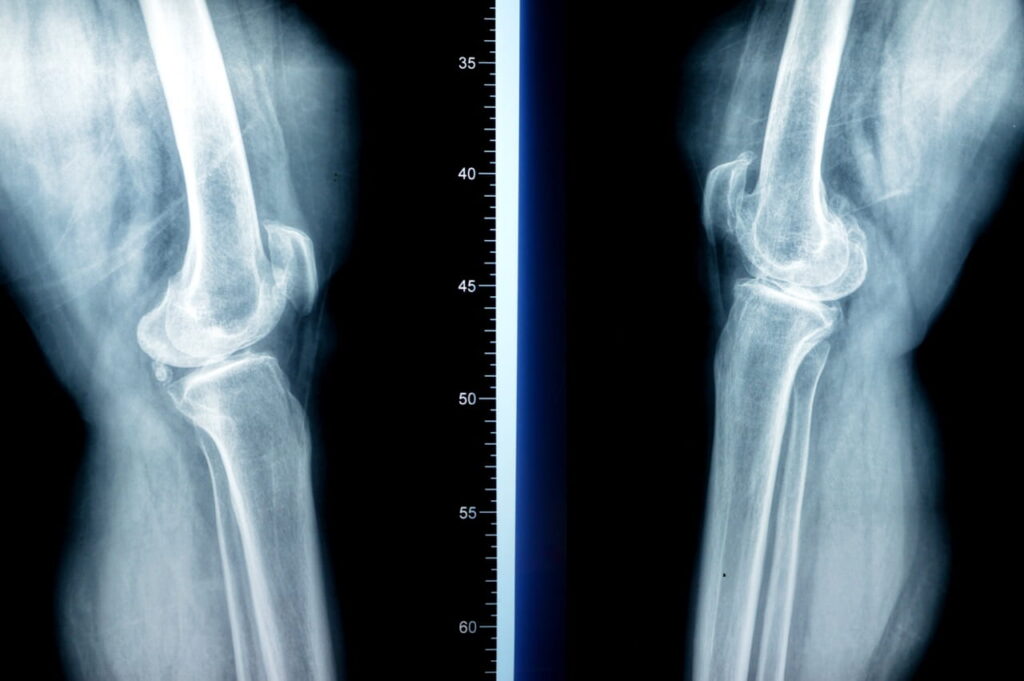
How a Previous Diagnosis Can Help
Many Canadians already have a diagnosis before they begin exploring treatment in the United States.
Maybe their joint pain has been linked to arthritis, or perhaps they have been told they have a meniscus tear, hip degeneration, or another orthopedic condition. While a referral itself may not be required, these previous evaluations can still provide valuable information.
Medical records often help surgeons understand things like:
- When symptoms began
- How the condition has progressed
- What treatments have already been attempted
- Whether previous injections or physical therapy provided relief
- What imaging has already been performed
Having access to prior records may reduce unnecessary duplicate testing while giving the surgeon additional context for treatment recommendations.
At the same time, patients should not worry if they do not have every record immediately available—not having a formal referral or complete medical history does not necessarily prevent someone from getting a consultation and moving towards surgery. If additional imaging or information is needed, the orthopedic team can explain what should be obtained during the evaluation process.
Just remember, the goal of the consultation is to understand the patient’s current condition and determine the most appropriate next steps, regardless of where previous care was received.
What Happens During the Initial Consultation?
Rather than immediately scheduling surgery, the initial appointment usually focuses on understanding your condition. Your U.S. care team will likely spend a substantial chunk of time reviewing any medical information you provided and getting to know your situation before discussing appropriate treatment options.
Some things you can expect from your first orthopedic consultation are:
- The review of your medical history – Discussion of symptoms, previous treatments, and overall health
- An analysis of past imaging results – Evaluation of available X-rays, MRI scans, or CT scans
- The assessment of your symptoms – Review of pain, mobility limitations, and daily function
- A discussion about treatment options – Explanation of surgeries and any alternate therapies that may improve your condition
- An opportunity for questions and answers – Feel free to ask practical questions about recovery, expected outcomes, travel from Canada, recommended accommodations, follow-up care, and rehabilitation
- Advice on travel planning – Conversation about recovery timelines and logistics, if surgery is recommended
For many Canadians, the consultation provides valuable information even if they are still deciding whether surgery is the right choice. Even if you don’t end up going with the facility’s medical services, hopefully you leave with a better understanding of your options so you can make informed decisions based on your individual needs and goals.

You Can Do the Consultation From Canada
For convenience, many top-tier medical facilities, including the Joint Replacement Center of Scottsdale, are offering virtual consults that connect Canadians with U.S. surgeons without having to book a flight. This way, you get a chance to ask questions and build a treatment plan with an experienced surgical team from the comfort of your home.
How to Get Started
For Canadians considering orthopedic surgery in the United States, understanding the referral process is often one of the first steps toward exploring treatment options. While referrals are commonly required within Canada’s healthcare system, many private U.S. orthopedic practices allow patients to schedule consultations directly.
Preparing for an initial consultation is straightforward with an experienced practice like the Joint Replacement Center of Scottsdale. We make it easy to submit recent imaging, medical records, and treatment history, and we are always ready to answer your questions. If you end up moving forward with surgery at our facility, you will also get access to top-of-the-line surgery technology that can benefit you.
If you are considering orthopedic treatment in the United States, contact the Joint Replacement Center of Scottsdale today to learn more about virtual consultation appointments and other medical tourism services for Canadian patients.