Getting a 2nd knee replacement may be necessary if you have experienced degeneration or loosening from wear, complications such as infection or improper alignment, or changes in joint health.
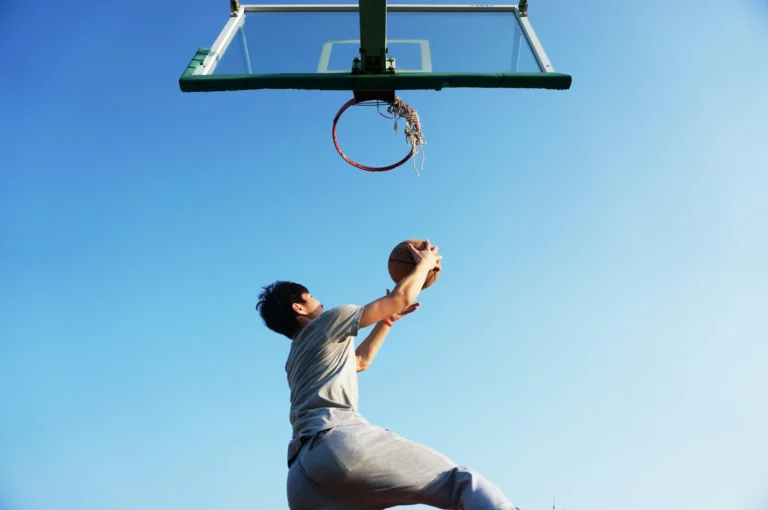
Sports, especially high-impact ones like football and basketball, can often lead to knee injuries, such as jumper’s knee and runner’s knee, each with a unique cause and treatment strategy.
Damaged or worn-down knee joints can be replaced with artificial components to reduce discomfort and increase mobility. This surgery has the potential to mitigate joint complications and allow the patient to eventually resume some of the activities they love.
If you are an avid golfer with hip pain, you may wonder if you can golf after a hip replacement and, if so, how long after the hip replacement until you can play again.
Joint health evaluates the comfort and functionality of regions where two or more bones connect, taking the surrounding tissue and joint surfaces into account.
A healthy and active lifestyle depends on joint mobility, yet conditions like arthritis, tendinitis, and joint effusions can severely limit movement and disrupt daily activities.
Fall-incited knee injuries can happen to anyone through various activities, including playing a sport, ascending stairs, or many other everyday events.