Getting a 2nd knee replacement may be necessary if you have experienced degeneration or loosening from wear, complications such as infection or improper alignment, or changes in joint health.
Due to limitations of their public healthcare system, countless Canadians choose to receive joint surgery and other medical treatment in the United States.
Surgeons must create an incision during knee replacement surgeries to access the deteriorated joint and replace it with a state-of-the-art prosthesis. This means scars from knee replacement procedures are unavoidable, whether the patient undergoes traditional or minimally invasive surgery.
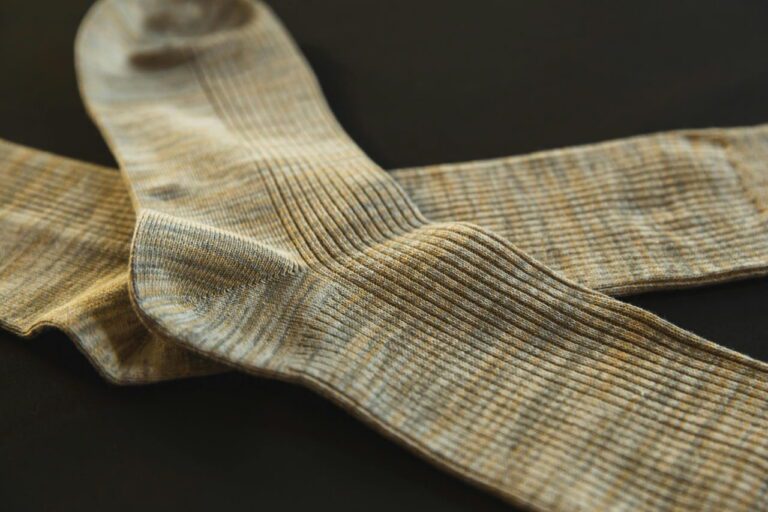
After knee replacement surgery, patients are expected to balance pain management, mobility work from physical therapy, and swelling control. To facilitate these aspects of recovery, patients should use supportive tools, such as compression garments, when approved by their medical provider.
Unfortunately, many athletes experience chronic injuries and long-term wear on their joints that can lead to degeneration far earlier than in the general population. On top of being uncomfortable, joint issues like knee pain can be career-ending for these professional athletes if left untreated.
Bruising after hip replacement surgery is a common yet often unexpected aspect of recovery. While many patients anticipate some soreness and swelling, the appearance of deep purple, blue, or yellow skin discoloration can be surprising and alarming to some, especially in the first few days after surgery.
With joint replacement wait times in Canada and other countries on the rise, many patients are traveling to the United States to get quicker, more advanced surgeries. Although this is a wise decision for most, traveling long distances requires extra logistical work, making it essential to have a trusted family member or companion along to facilitate the care experience.
There are so many reasons Canadians choose U.S. surgeons, from faster access to care to more specialized, advanced medical facilities. Nevertheless, traveling abroad for medical treatment demands an intentional approach that extends beyond planning for flights, appointments, and lodging; you must also focus on nutrition.