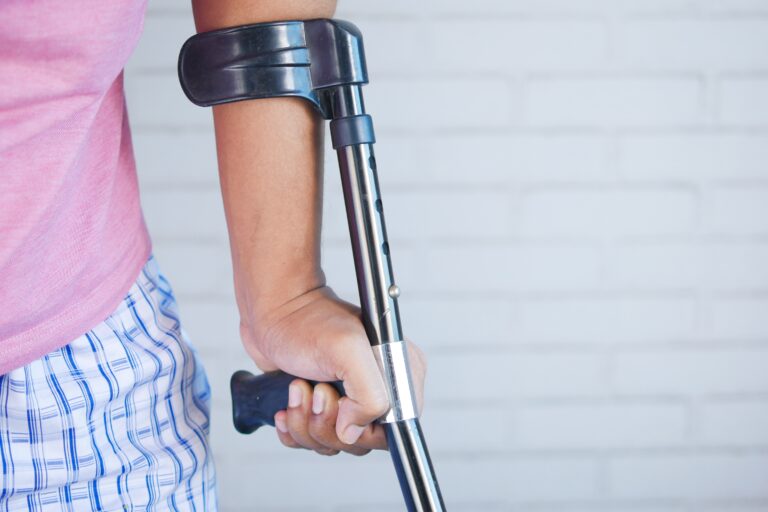
Unfortunately, about 14.3% of individuals aged 60 years and older report having significant hip pain on most days. This chronic hip pain can affect nearly every aspect of life.
ARPWAVE therapy, also known as Accelerated Recovery Performance (ARP) Wave therapy, is a form of neuromuscular therapy that can help speed up and promote the body’s natural recovery process.
Knee replacement surgery is a last resort option for people experiencing joint pain. However, if other therapies or approaches do not work to provide solutions, then knee replacement surgery may be the best option for long-term relief.
Hip replacement surgery is a surgical procedure where an orthopedic surgeon removes the diseased parts of a hip joint and replaces them with new, artificial parts.
Hip replacement surgery is a procedure that replaces diseased parts of the hip joint with new, artificial parts to address the underlying causes of pain and improve mobility.
Hip replacement surgery is no small commitment. Although the process results in greater comfort and mobility in the long term, it can be a bit intimidating, especially if you’re unsure what to expect.
We’ve all heard the phrase, “Timing is everything,” but does it apply to hip replacement surgery too? Choosing the right time of year for your procedure can boost your mindset and morale, make your recovery process more convenient, and possibly even improve your surgery outcomes.