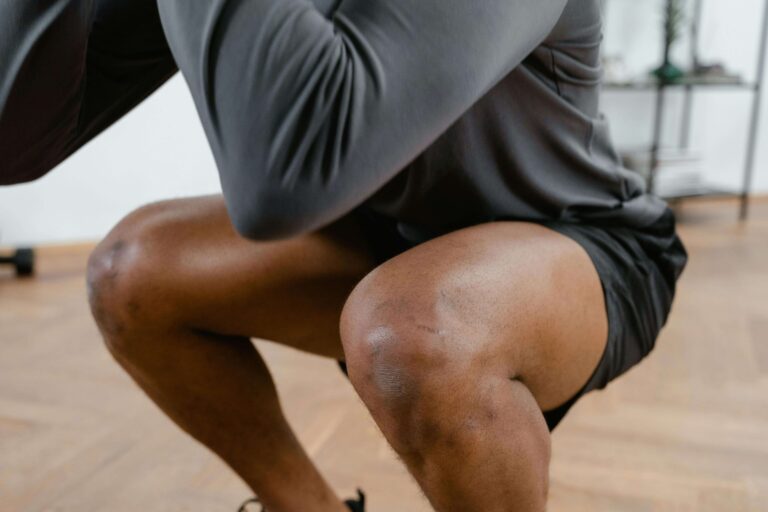
According to the National Association of Homebuilders, over half of the houses built in the U.S. are two stories tall. Many of these homes feature bedrooms, bathrooms, and other important areas on the second floor that may not be accessible when a weight-bearing joint is recovering from an invasive procedure, leading many people to wonder, “When can I climb stairs after total knee replacement surgery?”
When the knee joint is forced to extend beyond its standard range of motion, it can cause knee hyperextension. Depending on its cause, such as sports, accidents, or muscle imbalances, the severity of a knee hyperextension injury can range from mild discomfort to significant ligament or joint damage.
If you are considering bilateral knee replacement surgery, in which artificial joint components are added to both knees, it can be challenging to know how long you should wait between knee replacements.
Due to the complexities and fragility of the hip joint, hip pain from cycling is incredibly common, especially among individuals with degenerative conditions like arthritis. In fact, 34-72% of amateur cyclists report unspecified pain near the groin, hip, and buttocks region after participating in week-long recreational road cycling events.
Finding the most suitable sleeping positions after total knee replacement surgery can lead to a smoother recovery. Sleep plays a vital role in healing the body by releasing essential growth hormones and pain-relieving endorphins.
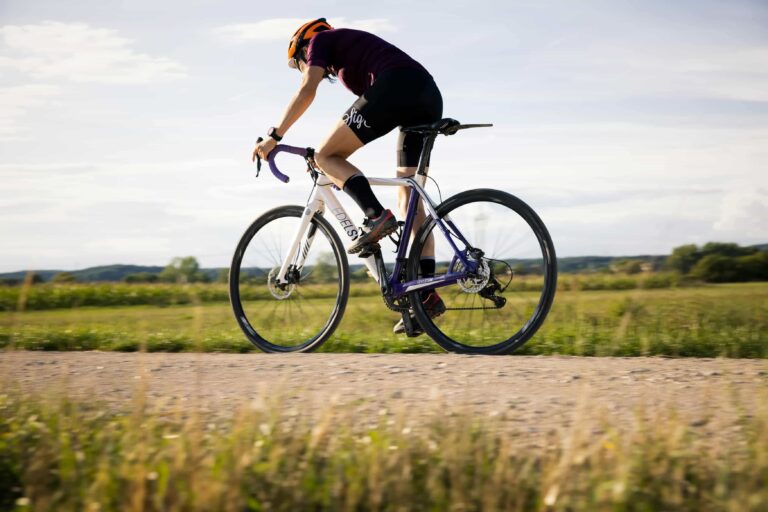
Despite being a healthy and popular physical activity, bike riding demands repeated knee-bending motions, causing many patients to wonder, “Can you cycle after a knee replacement?” In short, yes, many patients can return to cycling after knee replacement surgery; in fact, they may receive joint health benefits from doing so.
Cycling is a popular low-impact exercise for people of all ages. However, some individuals experience knee pain from cycling, making it difficult to enjoy an activity they love.
Knee replacement surgery replaces a patient’s knee with a prosthetic to restore joint function and alleviate pain through traditional methods or minimally invasive approaches that use Mako SmartRobotics.